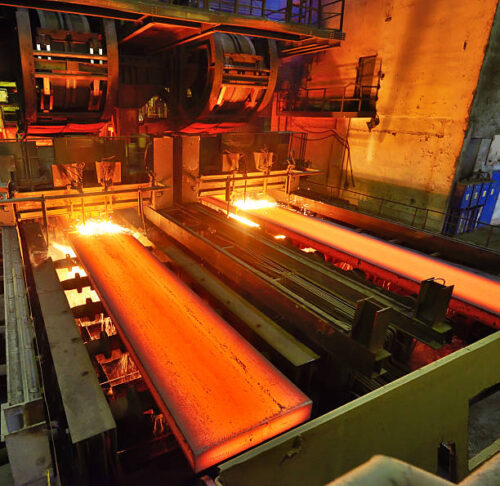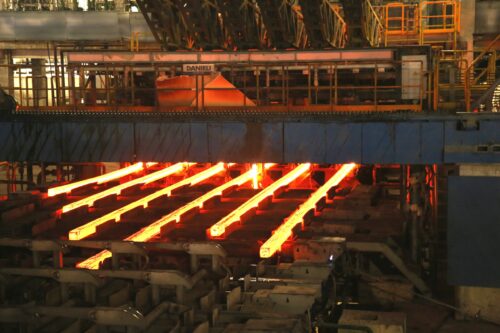


What Is Mild Steel?
Mild steel is one of the most widely used steel materials in manufacturing, construction, engineering, and general fabrication. In commercial and technical terms, mild steel is commonly understood as low carbon steel with good ductility, weldability, machinability, and forming performance. Because of its balanced mechanical properties and cost-effectiveness, it is often selected for projects that require reliable performance without the higher cost of alloy or specialty steels.
In real purchasing situations, buyers do not usually choose mild steel based on the general product name alone. Instead, they review the mild steel specification, required standard, grade, product form, thickness range, surface condition, and end-use application before making a decision. This is especially important in B2B supply, where the wrong steel grade or form can lead to fabrication issues, compliance problems, or project delays.
At PCJ, mild steel is presented not only as a general commodity but as a practical material solution. Whether the customer needs mild steel plate, coil, sheet, structural sections, or fabricated blanks, the selection process should always match the technical requirement of the final use.
Understanding Mild Steel as Low Carbon Steel
From a metallurgical point of view, low carbon steel usually contains a relatively small percentage of carbon compared with medium-carbon or high-carbon steels. This lower carbon content is what gives mild steel its well-known workability. It is easier to cut, bend, weld, drill, and form, making it suitable for a very broad range of industrial applications.
This is why mild steel is often the first choice for:
-
General engineering works
-
Construction supports
-
Frames and brackets
-
Machine parts
-
Storage systems
-
Fencing and light structures
-
Maintenance and repair fabrication
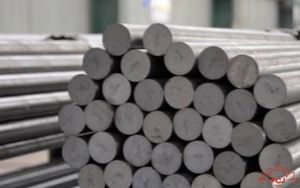
For many buyers, the main benefit of mild steel is versatility. It can be processed with standard workshop methods and is available in multiple shapes and finishes. However, even though the term sounds simple, the actual buying decision still depends on accurate review of the mild steel specification and project requirements.
Common Mild Steel Grades in Global Supply
When discussing Mild Steel Grades, several commercial and structural grades appear frequently across different markets. The most common references include:
ASTM A36
ASTM A36 is one of the most recognized structural steel grades in international trade. It is widely used for construction, structural parts, base plates, frames, and fabricated components. Buyers often request this grade when they need dependable mechanical properties and broad market familiarity.
SS400
SS400 is a commonly used grade in Asian markets and is often specified for general structures and fabricated steel products. It is popular because of its availability and suitability for many standard industrial applications.
S235
S235 is a European structural steel reference often used in fabrication and construction. It is selected when the project requires alignment with EN standards or export supply into markets where European specifications are common.
S275
S275 is generally considered when a project needs somewhat higher strength than S235 while still maintaining good fabrication performance. It may be used for structural or engineering applications where additional load-bearing capacity is required.
Although these grades are often considered commercially comparable in some supply discussions, buyers should not assume they are identical in every application. Exact mild steel specification, yield strength, tensile strength, chemical composition, and standard compliance should always be checked before order confirmation.
Mild Steel (Low Carbon Steel): Grades, Specifications, Forms, Applications & Quality Documentation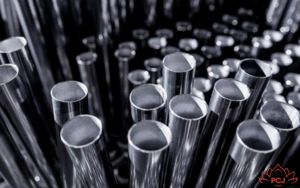
Typical Product Forms of Mild Steel
One of the reasons mild steel remains so widely used is that it is available in many product forms. This allows buyers to choose the best format for their processing method, fabrication plan, and logistics needs.
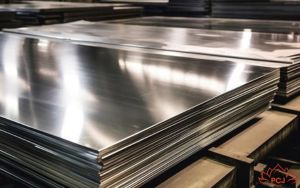
Mild steel plate
Mild steel plate is commonly used for base plates, structural supports, fabrication parts, tanks, machine components, and industrial equipment. It is usually selected when thickness, strength, and ease of cutting are important.
Mild steel sheet
Sheet form is often preferred for lighter fabrication, cladding, general industrial parts, cabinets, covers, and formed components.
Mild steel coil
Coil is suitable for downstream processing, slitting, roll forming, stamping, and redistribution. Buyers who supply service centers or manufacturing lines often prefer coil for production efficiency.
Structural sections
Mild steel can also be supplied as angles, channels, beams, bars, and other structural profiles for construction and support systems.
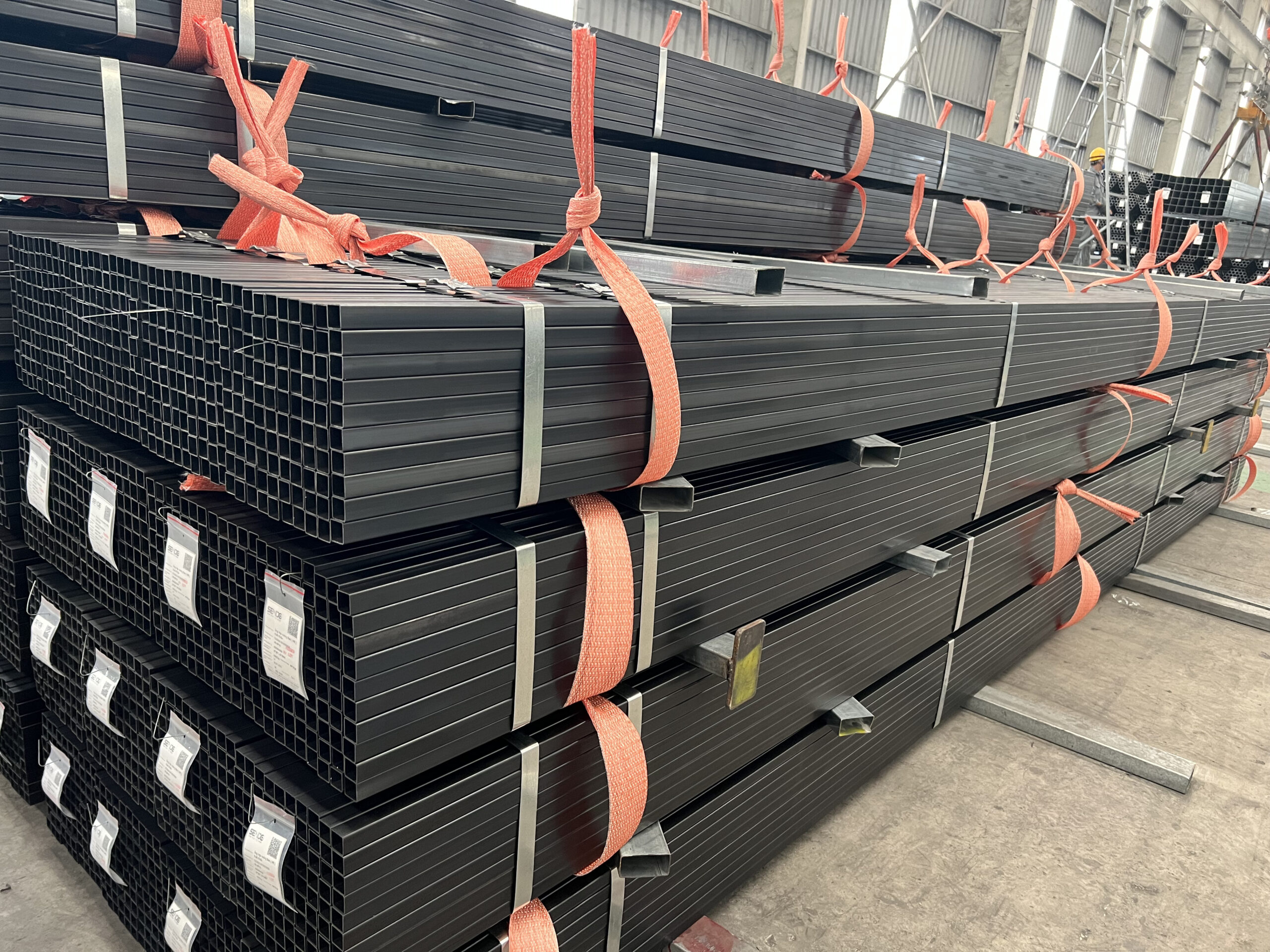
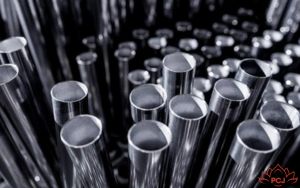
Hollow sections and pipe
For frames, supports, fencing, and welded structures, mild steel may also be supplied in pipe, RHS, SHS, and CHS forms.
Fabricated blanks
In some projects, buyers require cut-to-size blanks or semi-processed pieces to reduce workshop time and improve material efficiency.
The right form depends on what the customer will do next: structural installation, laser cutting, bending, welding, machining, resale, or export distribution.
Mild Steel Specification: What Buyers Should Review
A clear mild steel specification is essential for proper sourcing. In B2B projects, purchase decisions should be based on technical fit, not just price or availability.
1. Grade and standard
Always confirm whether the material must comply with ASTM, JIS, EN, or another recognized standard. The product name “mild steel” alone is not enough for most industrial orders.
2. Mechanical properties
For many fabrication and structural uses, yield strength and tensile strength are more relevant than general grade naming. If the steel will support load, be welded into frames, or be used in export fabrication, these values should be checked carefully.
3. Thickness and dimensional tolerance
Tolerance matters for cutting accuracy, forming consistency, and end-product performance. This is particularly important for mild steel plate, sheet, and coil supplied for precision fabrication.
Surface condition
Mild steel may be available as black, oiled, pickled, cold rolled, or galvanized depending on product type and end use. Surface condition affects storage, corrosion resistance, appearance, and downstream processing.
Fabrication method
Before ordering, buyers should consider whether the steel will be welded, bent, punched, machined, laser cut, or painted. The required process can influence the most suitable grade and form.
Quantity and MOQ
Minimum order quantity often depends on product form, mill production schedule, stock availability, and destination market.
Applications of Mild Steel in Industry
Because low carbon steel is easy to process and commercially available worldwide, it is used in a wide range of sectors. Typical applications include:
-
Base plates
-
Frames and brackets
-
Construction supports
-
Light structural fabrication
-
Machine parts
-
Storage racks
-
Maintenance works
-
Fencing systems
-
Equipment housings
-
General engineering components
In many of these uses, mild steel offers the right balance between performance, availability, and cost. That is why it remains a core material in industrial supply chains.
Quality and Export Documentation
For export supply, technical consistency must be supported by proper documentation. A professional supply package for mild steel may include:
-
Mill Test Certificate
-
Certificate of Quality
-
Certificate of Origin
-
Packing List
-
Commercial Invoice
-
Inspection Report, if required
-
Traceability records for project supply
This documentation becomes especially important when the steel is used in overseas fabrication, contractor supply, project cargo, or customer-approved vendor programs.
Conclusion
Mild steel remains one of the most practical and widely used engineering materials in the global market. As a reliable form of low carbon steel, it is valued for its workability, broad availability, and suitability for fabrication, construction, and industrial manufacturing. However, successful sourcing depends on more than the name alone. Buyers should always review the correct mild steel specification, required standard, product form, and documentation package before purchasing.
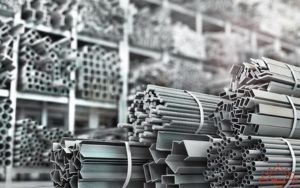
Whether the requirement is mild steel plate, sheet, coil, structural sections, or fabricated blanks, the best supply decision comes from matching grade, dimensions, and processing needs to the actual application.
FAQ
Is mild steel the same as low carbon steel?
In most commercial and industrial contexts, yes. Mild steel generally refers to low carbon steel with good weldability, formability, and ease of fabrication.
What are the most common Mild Steel Grades?
Common Mild Steel Grades include ASTM A36, SS400, S235, and S275, depending on market standard and application.
Can mild steel be supplied in different forms?
Yes. Mild steel is available as plate, sheet, coil, structural sections, hollow sections, pipe, and fabricated blanks.
Why is mild steel plate commonly used?
Mild steel plate is widely used because it offers strength, easy processing, and suitability for structural, mechanical, and fabrication work.
What documents are important for export supply?
Typical export documents include MTC, CQ, CO, packing list, invoice, and inspection reports when required.
For Customer
If you need support selecting the right mild steel grade, reviewing the mild steel specification, or sourcing mild steel plate and other low carbon steel forms for fabrication or export, send PCJ your required standard, size, quantity, and application details for a practical supply recommendation.