
What Is Cold Rolled Coil?
Cold rolled coil (CRC) is a flat steel product processed at room temperature to achieve tighter thickness tolerance, improved mechanical properties, and superior surface quality compared to hot rolled materials. It is widely used in industries where precision, appearance, and consistency are critical.
Unlike hot rolled steel, CRC undergoes additional processing such as pickling, cold reduction, and annealing, resulting in a smoother finish and enhanced dimensional accuracy. This makes CRC an essential material in automotive, appliances, furniture, and precision engineering sectors.
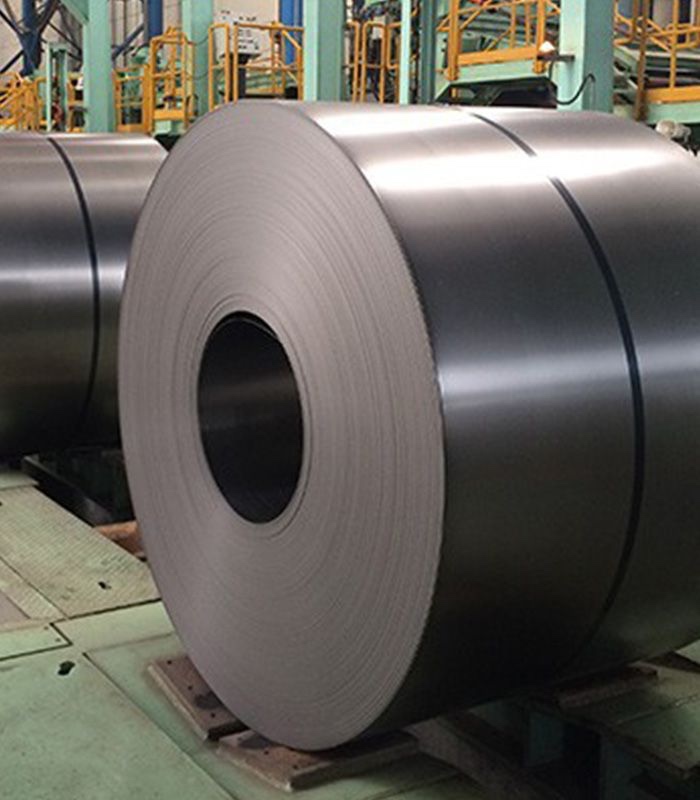
| Product name | Cold Rolled Coil (CRC) |
| Thickness range | 0.20 – 3.00 mm |
| Width | 914 – 1500 mm |
| Grade / hardness | Full hard or annealed |
| Standards | JIS G3141: SPCC-1B / SPCD / SPCE-SD; EN 10130: DC01-DC06; ASTM A1008: CS / DS / DDS / EDDS |
| Surface | Skin-passed |
| Treatment | Oiled |
| Application | Re-rolling, pipe making, cut sheet, painting, light engineering |
| MOQ | Subject to inquiry |
Key CRC Specifications Buyers Should Review
Grades
Common grades may include:
- SPCC
- DC01 / equivalent commercial grades
- ASTM-based cold rolled steel grades
- Special drawing or forming grades depending on end use
Cold Rolled Coil Surface Finish
CRC can be supplied with different finish expectations such as:
- Standard commercial finish
- Bright finish
- Oiled finish
- Surface suitable for painting, coating, or appliance use
Dimensional Parameters
Typical order details include:
- Thickness
- Width
- Coil weight
- Tolerance requirements
- Hardness / temper condition where relevant
Common CRC Applications
Cold rolled coil is commonly used in:
- Home appliances
- Electrical cabinets
- Furniture
- Steel tube making
- Automotive components
- Office equipment
- Light fabrication requiring better appearance
CRC vs HRC: How to Choose
CRC is usually preferred when:
- Surface finish matters
- Tolerance must be tighter
- The material will be painted, plated, or visibly exposed
- Forming consistency is more important than lowest raw material cost
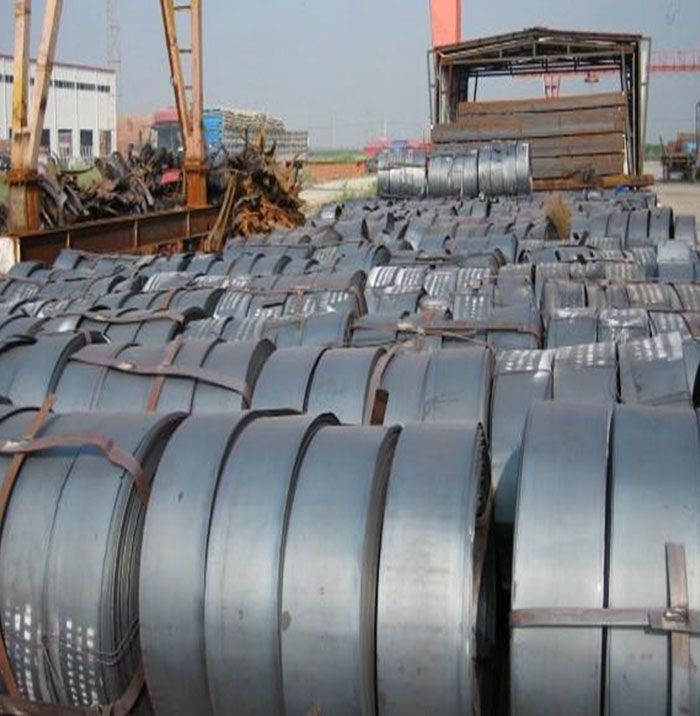
HRC is often better when the application is structural or heavy-duty and cosmetic finish is not critical.
Export Packing Considerations
Cold rolled coil is more sensitive to rust, denting, and edge damage than rougher hot rolled products. Export packing should normally consider:
- Anti-rust protection
- Waterproof wrapping
- Proper strapping
- Edge protectors
- Pallet or skid arrangement if necessary
- Clear heat number and coil identification
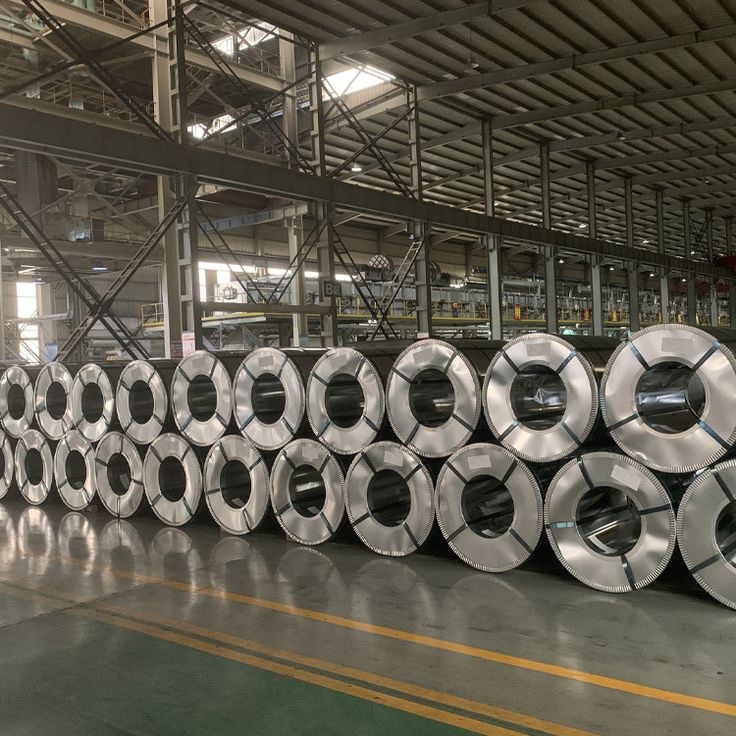
When exporting cold rolled coil (CRC), proper packing is critical to maintain product quality throughout long-distance transportation and handling. Compared to hot rolled materials, CRC has a smoother surface and tighter tolerances, making it more vulnerable to rust, denting, and edge damage. Therefore, export packing must be carefully designed to protect both the surface finish and structural integrity of the coil.
First, anti-rust protection is essential. CRC is typically coated with a light oil layer to prevent oxidation during transit, especially in humid or marine environments. This is complemented by waterproof wrapping, usually consisting of plastic film and moisture-resistant paper, to shield the coil from rain, condensation, and sea air exposure.
In addition, proper strapping using high-strength steel bands ensures the coil remains securely fastened during loading, unloading, and shipment. To further minimize mechanical damage, edge protectors are applied to prevent deformation or scratches along the coil edges, which are particularly sensitive in precision applications.
For enhanced stability, coils may be placed on wooden pallets or steel skids, depending on customer requirements and shipping conditions. Finally, clear heat number marking and coil identification must be included to ensure full traceability, supporting quality control and compliance with international standards upon delivery.
Buying Advice for International Buyers
Before ordering CRC, buyers should align supplier and end-user expectations on:
- Standard and grade
- Surface finish acceptance
- Thickness tolerance
- Application type
- Packing for sea transport
- Required document set including MTC, CQ, and origin papers
FAQ
FAQ 1: What is the difference between CRC vs HRC?
CRC offers tighter tolerances and a smoother surface, while HRC is more economical for less appearance-sensitive applications.
FAQ 2: What does SPCC mean in cold rolled steel?
SPCC is a common cold rolled commercial quality grade used in many manufacturing applications.
FAQ 3: Is CRC suitable for painting and coating?
Yes. CRC is often preferred where better surface finish is required before painting or surface treatment.
FAQ 4: What documents are usually needed for CRC export?
Common documents include MTC, CQ, CO, packing list, invoice, and shipping documents.
For Customers
Looking for a reliable cold rolled coil supplier? Send us your required grade, thickness, width, application, and destination port to receive a tailored quotation and sourcing solution optimized for your global supply chain.