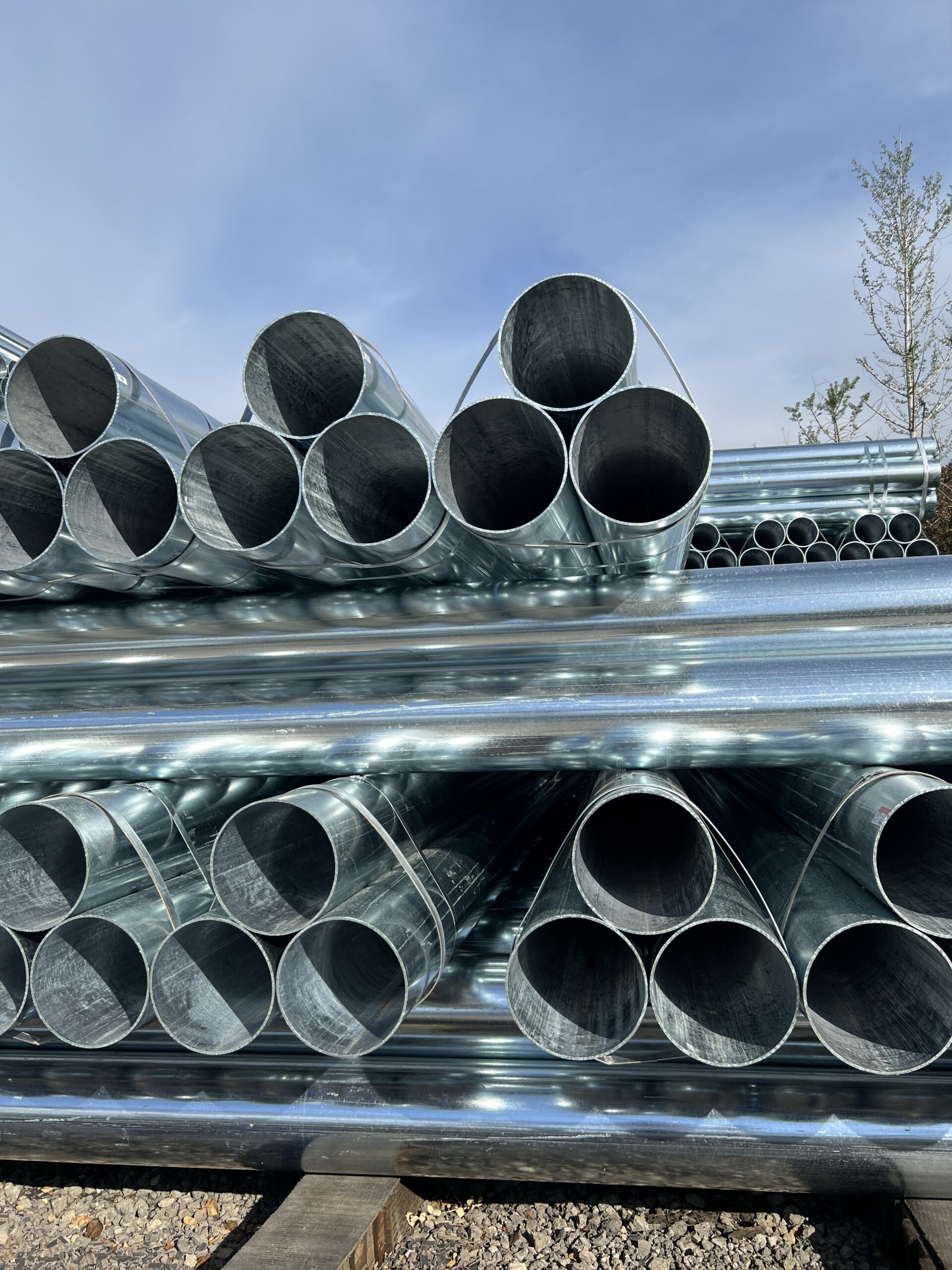
What Is Hot Dipped Galvanized Hollow Section?
Hot dipped galvanized hollow section is a steel tube or structural hollow profile protected by a zinc coating applied through a hot-dip galvanizing process. In simple terms, the steel section is immersed in molten zinc after fabrication, creating a coating that covers the external surface and, depending on the process and product configuration, helps provide stronger corrosion resistance than many lighter coated alternatives.
In industrial and project supply, hot dipped galvanized hollow sections are widely chosen for applications where the steel will be exposed to outdoor weather, humidity, industrial conditions, or other corrosive environments. Compared with lighter coated tube products, hot dipped galvanized steel generally offers a heavier and more durable protective layer, making it a common choice for infrastructure, agriculture, fencing, structural supports, and long-life fabrication work.
From a B2B sourcing perspective, this product is often preferred over pre-galvanized hollow section when the buyer’s priority is longer service life rather than lower initial cost. It is especially relevant in export projects, outdoor installations, and fabricated systems where corrosion performance directly affects maintenance cost and product lifespan.
| Product name | Hot Dipped Galvanized Hollow Pipe |
| Shape | Round (catalogue), with other hollow formats subject to inquiry |
| Standards | ASTM A53; EN 10255 / BS 1387; AS/NZS 1163 / 1074 |
| Surface treatment | Hot dip galvanized |
| Zinc coating (reference from supplied data) | Approx. 220 – 350 g/m² |
| Application | Residential and industrial construction, purlin, door frame, window frame, fencing, railings |
| Special features | Very clean and dry finish, shiny surface, double chromated treatment, nice end cutting |
| Length | By inquiry according to size and market |
| MOQ | Subject to size range and loading plan |
How Hot Dip Galvanizing Works
The main characteristic of hot dipped galvanized steel is the coating method. In a typical production route, the hollow section is first fabricated into its final shape and then dipped into molten zinc. This process creates a metallurgically bonded zinc coating that is generally thicker and more robust than the coating found on steel formed from pre-coated strip.
This is one of the main reasons buyers specify hot dipped galvanized hollow section for demanding environments. Because the coating is applied after fabrication, the finished section receives a more complete protective layer over the exposed outer surfaces of the fabricated product. This is particularly important in structural and outdoor use, where surface durability, long-term weather resistance, and protection at critical areas matter.
For commercial supply, the product may be requested as galvanized RHS SHS CHS, depending on the shape required for the project. The buyer should still confirm whether the material is galvanized after fabrication or supplied in a form that meets equivalent hot-dip coating requirements. That distinction can affect coating performance, appearance, and specification compliance.
Common Product Forms: Galvanized RHS, SHS, and CHS
Hot dipped galvanized hollow sections are usually supplied in the following standard forms:
RHS – Rectangular Hollow Section
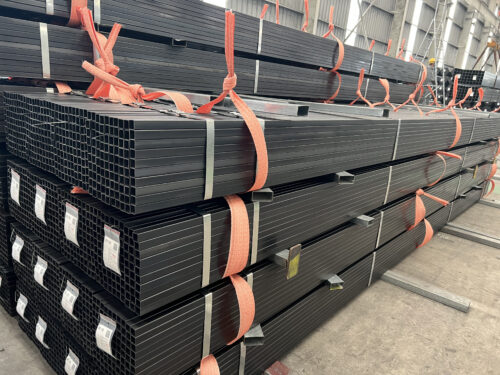
Hot dip galvanized rectangular hollow section is commonly used in frames, support structures, fencing systems, gates, platforms, and general fabricated works where rectangular geometry offers better design efficiency or easier assembly.
SHS – Square Hollow Section
Square sections are often used in posts, frames, support structures, equipment bases, railings, architectural metalwork, and general fabrication. Buyers may also request this product as hot dip galvanized square tube when the application requires a square format with durable corrosion protection.
CHS – Circular Hollow Section
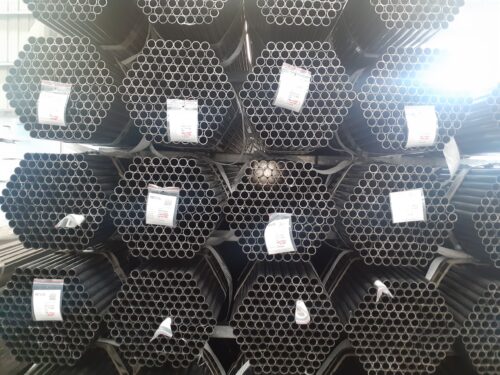
Circular hollow sections are widely used in handrails, agricultural systems, support columns, outdoor frames, sign structures, and utility fabrication.
These three categories are often grouped commercially as galvanized RHS SHS CHS, especially in export catalogs and project inquiries. To avoid confusion, buyers should clearly state the required shape, outside dimensions, wall thickness, length, and relevant standard.
Standards Buyers Commonly Reference
In project and export supply, standards are one of the most important parts of the specification. Buyers should not only ask for galvanized tube, but also define the structural standard and coating requirement.
EN 10219
EN 10219 is commonly referenced for cold-formed welded structural hollow sections. When buyers need structural hollow sections for construction or engineering work, this standard is often part of the requirement.
ISO 1461
ISO 1461 is widely used as a reference for hot-dip galvanized coatings on fabricated iron and steel articles. Buyers may use this standard when specifying coating quality, finish, and galvanizing expectation.
ASTM A123
ASTM A123 is another key standard often used in markets influenced by ASTM practice. It covers zinc coating requirements for iron and steel products galvanized after fabrication.
Market-specific ASTM or regional references
Depending on destination market, buyers may also refer to structural or project-specific requirements that align with local construction practice, engineering design codes, or customer approval systems.
The important point is that the galvanizing standard and the structural section standard are not always the same thing. One may define the base hollow section, while another defines the coating requirement. Both should be clearly reviewed before order confirmation.
Typical Applications of Hot Dipped Galvanized Hollow Section
Because hot dipped galvanized steel offers stronger corrosion protection, it is commonly used in applications exposed to outdoor weather, moisture, and demanding service conditions. Typical applications include:
- Outdoor structures
- Solar support systems
- Fencing and gates
- Infrastructure frames
- Agricultural structures
- Greenhouse and farm systems
- Platform and walkway supports
- Utility and industrial frames
- Sign structures
- Marine-adjacent or humid environments
In all of these applications, the goal is not just structural performance, but also durability. A section that performs well mechanically but corrodes too early can create costly maintenance, safety risk, and replacement problems. That is why hot dip galvanized rectangular hollow section and hot dip galvanized square tube are frequently selected for longer-life projects.
Key Buying Considerations
When sourcing hot dipped galvanized hollow section, buyers should evaluate more than just price and size. The following specification points are important:
1. Coating requirement
The buyer should define whether the coating is required by standard, minimum zinc thickness, or service-life expectation. In some projects, appearance matters. In others, corrosion life is the top priority. Both should be clarified.
2. Visual finish acceptance
Hot-dip galvanizing can produce natural variation in surface appearance. Buyers should specify whether general industrial finish is acceptable or whether the project requires stricter cosmetic acceptance.
3. Corrosion exposure
The service environment should always be reviewed. Outdoor exposure, coastal humidity, industrial atmosphere, and standing moisture can all affect the product selection decision.
4. Base section details
Confirm whether the product is required as RHS, SHS, or CHS. Also specify:
- Size
- Wall thickness
- Length
- Structural standard
- Mechanical requirement
5. Fabrication and installation use
If the section will be cut, welded, drilled, or assembled into a larger system, those downstream processes should be considered before supply.
6. Supplier capability
A qualified supplier should be able to explain section availability, galvanizing route, standard compliance, dimensional tolerance, and export packing clearly.
Hot Dip Galvanized vs Pre-galvanized
This comparison is one of the most common buying questions in hollow section supply.
Choose hot dipped galvanized hollow section when:
- Outdoor durability is critical
- Stronger corrosion resistance is needed
- A heavier zinc coating is required
- The project has a longer expected service life
- Infrastructure or structural exposure is significant
- The environment is humid, industrial, or corrosive
Choose pre-galvanized hollow section when:
- Budget sensitivity is higher
- Corrosion exposure is moderate
- Cosmetic consistency is preferred
- Light fabrication is the main use
- Indoor or semi-protected application is expected
For harsh environments and long-life external use, hot dipped galvanized products are often the better technical option.
Export Packaging Considerations
Because galvanized surfaces can be damaged during handling and long transit, export packaging should be planned carefully. Good export packaging for galvanized RHS SHS CHS should consider:
- Dry storage before loading
- Proper bundling to prevent movement
- Protection or separators where necessary
- Clear marking for identification and traceability
- Packing suitable for long sea transit
- Moisture control where required for destination climate
In export business, packaging is not only about appearance. It helps reduce transit damage, protect traceability, and support efficient receiving at the destination site.
Conclusion
Hot dipped galvanized hollow section is a practical and reliable solution for buyers who need stronger corrosion resistance in outdoor, structural, and exposed environments. Whether supplied as galvanized RHS SHS CHS, hot dip galvanized square tube, or hot dip galvanized rectangular hollow section, the product is widely used where service life and environmental durability matter more than the lowest initial cost.
For B2B buyers, the best results come from clearly defining the structural standard, coating requirement, size range, application, and packaging expectation. With the right technical review, hot dipped galvanized steel can deliver long-term value in infrastructure, agriculture, solar projects, fencing, and industrial fabrication.
FAQ
FAQ 1: Is hot dip galvanized better than pre-galvanized?
For harsher outdoor exposure and stronger corrosion resistance, yes, it is often the better option.
FAQ 2: What standards are commonly used for galvanized hollow section?
EN 10219, ISO 1461, ASTM A123, and market-specific structural references are commonly used.
FAQ 3: Where is HDG hollow section most commonly used?
It is commonly used in outdoor frames, fencing, solar supports, infrastructure, agricultural systems, and humid or corrosive environments.
FAQ 4: What is the difference between galvanized RHS, SHS, and CHS?
They refer to rectangular, square, and circular hollow section forms. The right choice depends on structural design, fabrication needs, and installation conditions.
FAQ 5: Why is export packaging important for galvanized steel?
Because improper handling can damage the zinc-coated surface during storage, loading, and long-distance sea transport.
For Customer
If you are sourcing hot dipped galvanized steel for outdoor structures, support systems, or export fabrication, send PCJ your required section type, size range, coating standard, application, and destination market. Our team can help you review the right galvanized RHS SHS CHS solution with practical recommendations on specification, corrosion protection, and export packaging.