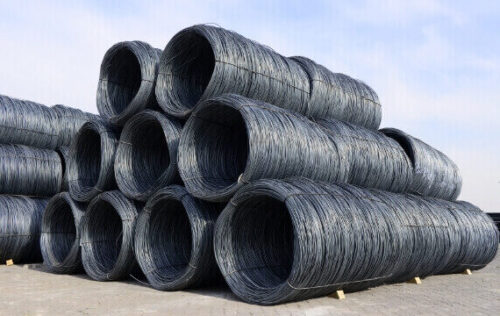


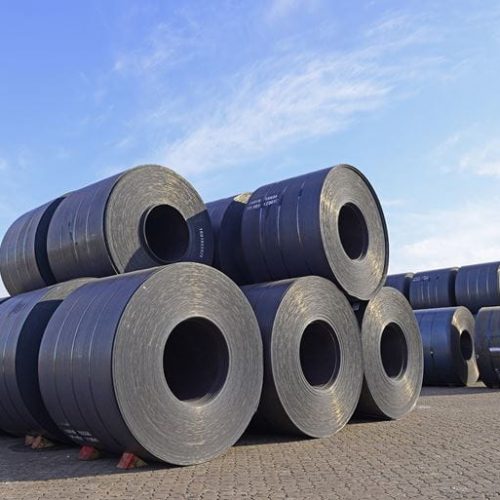

What Is Hot Rolled Coil?
HRC is steel rolled at high temperature, typically above the recrystallization point. This process gives the material good formability, broad size availability, and cost efficiency for structural and industrial use. Compared with cold rolled products, HRC normally has a rougher surface and wider tolerance range, but it is better suited for many heavy-duty applications.
| Product name | Hot Rolled Coil (HRC) |
| Thickness range | 1.20 – 25.40 mm |
| Width | 900 – 2000 mm |
| Standards | SAE J403: 1006, 1008; JIS G3101: SS400; JIS G3131: SPHC; JIS G3132: SPHT 1/2/3; EN 10025 / ASTM A36 family (subject to mill) |
| Surface | Skin-passed or non skin-passed |
| Application | Re-rolling, pipe making, cut-to-length, general fabrication |
| Supply form | Coil / sheet / plate depending on processing |
| MOQ | Subject to inquiry and loading plan |
| Origin / documents | Available by inquiry with standard export documents |
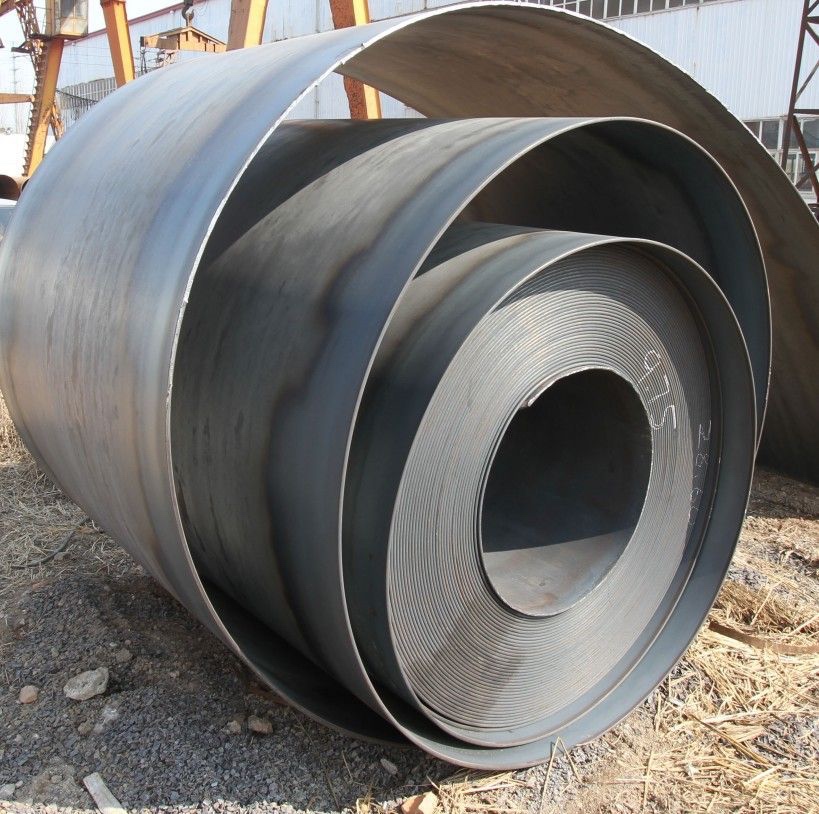
Common HRC Specifications Buyers Should Check
When sourcing hot rolled coil, buyers should confirm the following technical points:
Grade
Common commercial and structural grades include:
- SAE1006 / SAE1008
- SS400
- S235 / S275 / S355
- ASTM A36 equivalent applications in plate and cut sheet form
Size Range
Typical order parameters include:
- Thickness
- Width
- Coil ID / OD
- Coil weight
- Mill edge or slit edge
Surface Condition
HRC may be supplied with:
- Mill scale surface
- Oiled surface
- Pickled surface for downstream processing
Where HRC Is Commonly Used
HRC is often selected for:
- Structural fabrication
- Pipe and tube manufacturing
- Automotive components
- Machinery frames
- General engineering parts
- Base material for re-rolling, galvanizing, or pickling
HRC vs CRC: When HRC Is the Better Option
If the application does not require cosmetic surface finish or tight thickness tolerance, HRC is usually the more economical choice. It is often preferred for welded sections, base plates, brackets, and industrial components where strength and processing practicality matter more than appearance.
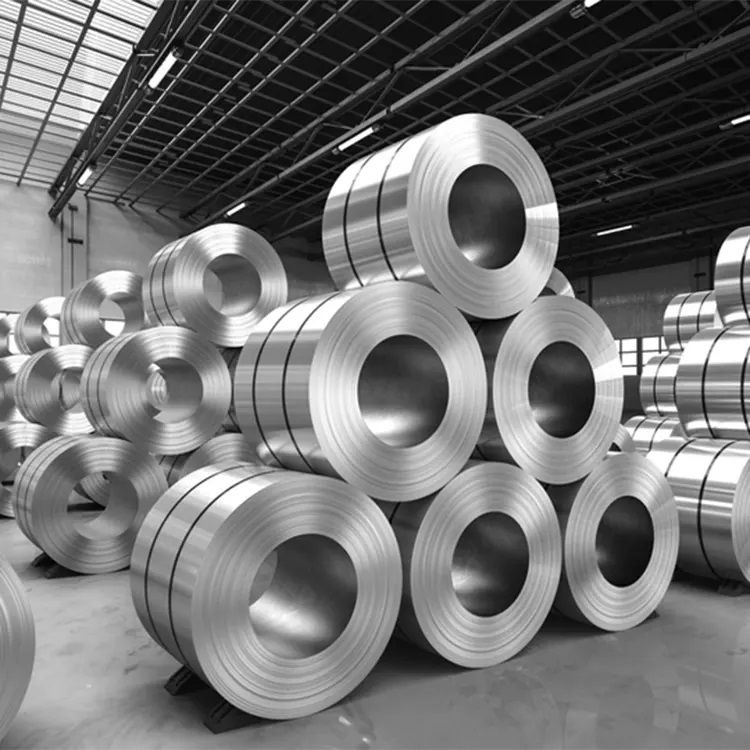
How B2B Buyers Evaluate HRC Supply Quality
A reliable supplier should advise on more than nominal size. Buyers should confirm:
- Applicable standard
- Mechanical property requirement
- Surface acceptance level
- Coil weight suitable for processing line
- Origin and mill capability
- Packing method for export
- Availability of inspection and certificates
Export Documentation for HRC
For international trade, documentation is often as important as the steel itself. Common document sets include:
- CO: Certificate of Origin
- CQ: Certificate of Quality
- MTC / Mill Test Certificate
- Packing list
- Commercial invoice
- Bill of lading
- Third-party inspection report when required
For some buyers, especially in infrastructure, distribution, or industrial resale, traceability through heat number and test results is a key requirement.
Share Buying Tips
Ask These Questions Before Ordering
- Is the steel for forming, structural use, or re-processing?
- Do you need mill scale, oiled, or pickled surface?
- What is the acceptable thickness tolerance?
- What coil weight is suitable for your line?
- Do you require CO/CQ, MTC, or third-party inspection?
8. FAQ
FAQ 1: What is the difference between hot rolled coil and cold rolled coil?
Hot rolled coil has a rougher surface and broader tolerance, while cold rolled coil offers better surface finish and tighter dimensional accuracy.
FAQ 2: What grades are common for HRC?
Common grades include SS400, S235, S275, S355, SAE1006, and SAE1008 depending on the intended application.
FAQ 3: Can HRC be supplied with CO/CQ?
Yes. Export shipments can include CO, CQ, MTC, and additional inspection documents if requested.
FAQ 4: Is HRC suitable for structural fabrication?
Yes. HRC is widely used in structural members, industrial frames, and fabrication where surface appearance is not the main requirement.
9. CTA cuối bài

Need help matching HRC grade, size, surface, and documentation to your application? Contact PCJ with your required standard, thickness, width, quantity, and destination market for a more accurate sourcing recommendation.